Dermatologist in Nanded City
Dermatologist in Nanded City, Pune for Skin, Hair and Nail Care
Dermatology Care for Everyday Skin Concerns
Healthy skin can change with age, weather, lifestyle, hormones, allergies, and other health conditions. Problems such as acne, pigmentation, itching, rashes, infections, hair loss, and nail changes can affect both comfort and confidence. A proper dermatological evaluation helps identify the underlying cause rather than treating only the visible symptoms.
At Dr. Poulkar’s Skin and ENT Clinic, dermatology care covers a wide range of skin, hair, and nail conditions. The clinic follows a patient-focused approach and aims to understand each person’s symptoms, medical history, and individual concerns before recommending treatment. The clinic’s existing services include clinical dermatology, cosmetology, laser services, hair restoration, and care for skin, hair, and nail diseases.
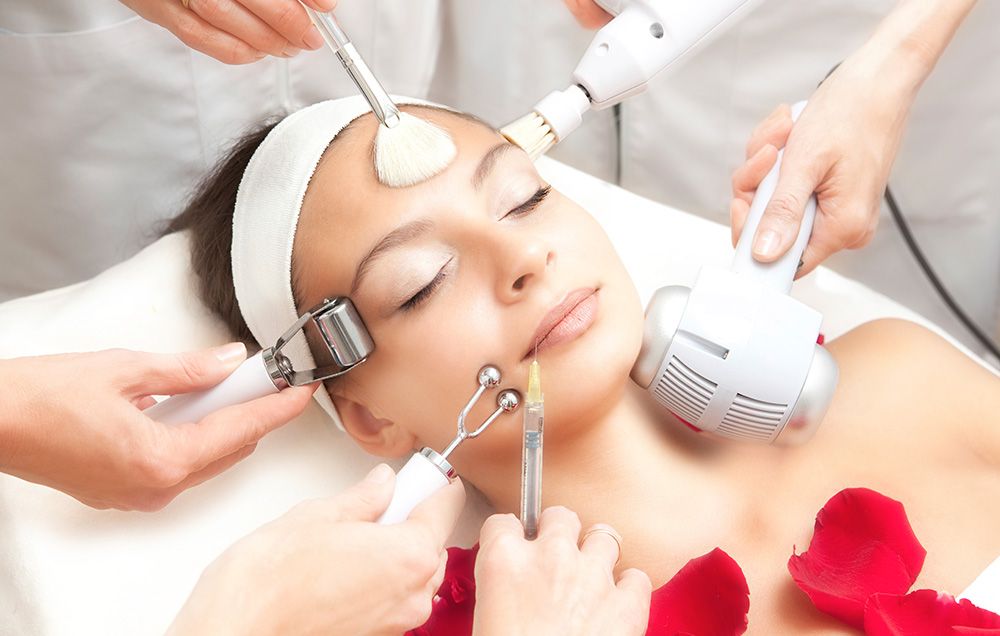
Conditions Commonly Evaluated by a Dermatologist
A Dermatologist in Nanded City, Pune can evaluate many conditions affecting the skin, scalp, hair, and nails. Some concerns may be temporary, while others require regular monitoring and long-term management.
Common concerns include:
- Acne and recurring pimples
- Acne marks and scars
- Skin pigmentation and uneven skin tone
- Melasma
- Eczema and dermatitis
- Psoriasis
- Fungal skin infections
- Skin allergies and itching
- Warts and certain skin growths
- Hair loss and thinning
- Dandruff and scalp problems
- Nail infections and nail disorders
- Signs of premature skin ageing
The appropriate treatment depends on the diagnosis, severity, skin type, age, and medical history of the patient.
Acne, Acne Scars and Pigmentation
Acne is one of the most common reasons people seek dermatological care. It can occur during adolescence or adulthood and may be influenced by hormones, genetics, skin type, medications, and other factors. Picking or squeezing pimples can increase the risk of marks and scars.
Pigmentation can have several causes, including sun exposure, hormonal changes, inflammation, acne, and certain medications. A dermatologist first determines the likely cause before suggesting a treatment plan.
Acne scars may also require a different approach from active acne. Depending on the scar type and skin condition, treatment options can include prescribed medicines, chemical peels, procedures, or selected laser-based treatments. Sparsh lists chemical peeling, acne scar procedures, and laser services among its dermatology and cosmetic offerings.
Hair and Scalp Concerns
Hair fall can occur for many reasons, including genetics, nutritional deficiencies, hormonal changes, stress, scalp conditions, and certain medical problems. Treating hair loss without identifying its cause may not address the underlying issue.
A dermatological assessment can include examination of the scalp and hair pattern along with relevant medical history. Depending on the diagnosis, treatment may involve medicines, scalp care, nutritional correction, or procedures such as platelet-rich plasma therapy when medically appropriate.
The clinic also lists hair restoration services and FUE hair transplantation as part of its available care.
Skin Infections and Allergic Conditions
Redness, itching, scaling, swelling, or recurring rashes can be caused by infections, allergies, or inflammatory skin disorders. Fungal infections may affect areas such as the feet, groin, body, or scalp, while dermatitis and eczema can cause repeated itching and irritation.
Using creams without knowing the cause can sometimes make certain conditions harder to manage. A proper examination helps distinguish between infections, allergies, inflammatory conditions, and other skin problems.
Cosmetic and Laser Dermatology
Some patients seek dermatological care for concerns such as unwanted hair, acne scars, pigmentation, tattoos, uneven skin texture, or signs of ageing. These concerns may be addressed through procedures such as chemical peels or selected laser treatments after assessing whether the procedure is suitable.
Laser-based procedures are not appropriate for every skin type or condition. The choice of procedure, settings, and number of sessions depends on the patient’s skin and the specific concern being treated.
What to Expect During a Dermatology Consultation
During an appointment, the dermatologist reviews your main concern, medical history, previous treatments, allergies, medications, and relevant lifestyle factors. The skin, scalp, hair, or nails are then examined according to the problem.
Further tests may be recommended when necessary. Treatment can range from topical or oral medicines to procedures and lifestyle or skincare guidance. Follow-up may be suggested for conditions that need monitoring or adjustment of treatment.
Patients searching for a Skin Specialist in Nanded City, Pune can use a consultation to understand the cause of their concern and the available treatment options rather than relying only on self-treatment.
When Should You See a Dermatologist?
A dermatology consultation may be appropriate when a skin problem is persistent, repeatedly returns, spreads, causes significant itching or pain, or does not improve with basic care.
You should consider evaluation for:
- Persistent acne
- Sudden or continuing hair loss
- A changing mole or skin growth
- Recurrent rashes
- Persistent itching
- Repeated fungal infections
- Unexplained pigmentation
- Painful or infected skin lesions
- Nail changes
- Scalp problems that continue despite routine care
A Dermatologist in Nanded City, Pune can assess these symptoms and determine whether they require medical treatment, observation, testing, or a procedure.
Conclusion
Skin, hair, and nail problems can have many different causes, so identifying the underlying condition is an important part of dermatological care. Dr. Poulkar’s Skin and ENT Clinic follows an ethical, patient-focused approach and provides care across clinical dermatology, hair, nails, cosmetology, and selected laser procedures. A Dermatologist in Nanded City, Pune can help assess persistent or recurring concerns and guide patients toward appropriate medical or procedural care based on their individual condition.
Frequently Asked Questions
What conditions does a dermatologist treat?
A dermatologist treats conditions affecting the skin, hair, and nails, including acne, pigmentation, eczema, psoriasis, fungal infections, hair loss, dandruff, nail disorders, and certain skin growths.
Can acne scars be treated?
Yes. Acne scar treatment depends on the type and depth of the scars. Depending on the assessment, options may include medicines, chemical peels, microneedling, laser procedures, or other dermatological treatments.
What causes sudden hair fall?
Sudden hair fall can be associated with stress, illness, nutritional deficiencies, hormonal changes, medications, scalp conditions, or other health factors. Identifying the cause is important before choosing treatment.
When should pigmentation be evaluated?
Persistent, spreading, or newly developed pigmentation should be evaluated, particularly when it changes in appearance or occurs without an obvious reason. Treatment depends on the underlying cause.
Can skin infections be treated without prescription medicines?
Some minor skin problems may settle with basic care, but persistent or spreading infections should be medically evaluated. The correct treatment depends on whether the cause is fungal, bacterial, viral, allergic, or inflammatory.